
Identify claim anomalies and misclassified insurance coverage before they cost your organization.
Over 150 million Americans are enrolled in government-funded insurance programs like Medicare and Medicaid. An estimated 10% of all claims submitted to these programs are either incorrectly reimbursed or improperly classified — costing the system billions annually.
GuardMint uses demographic and geographic intelligence combined with real-time CMS data to validate insurance eligibility and identify potential fraud before claims are submitted.
GuardMint leverages demographic trends, geographic risk zones, and real-time CMS API data to identify patients likely covered under government-funded programs — enabling providers and payers to detect misclassified coverage and minimize claim rejections proactively.
Flag suspicious claims in real time using demographic analysis and government insurance likelihood scoring.
Leverage CMS APIs to verify Medicare/Medicaid status before submission — minimizing denials and reimbursement delays.
Access detailed reporting on geographic fraud hotspots and population segments most at risk for misclassification.
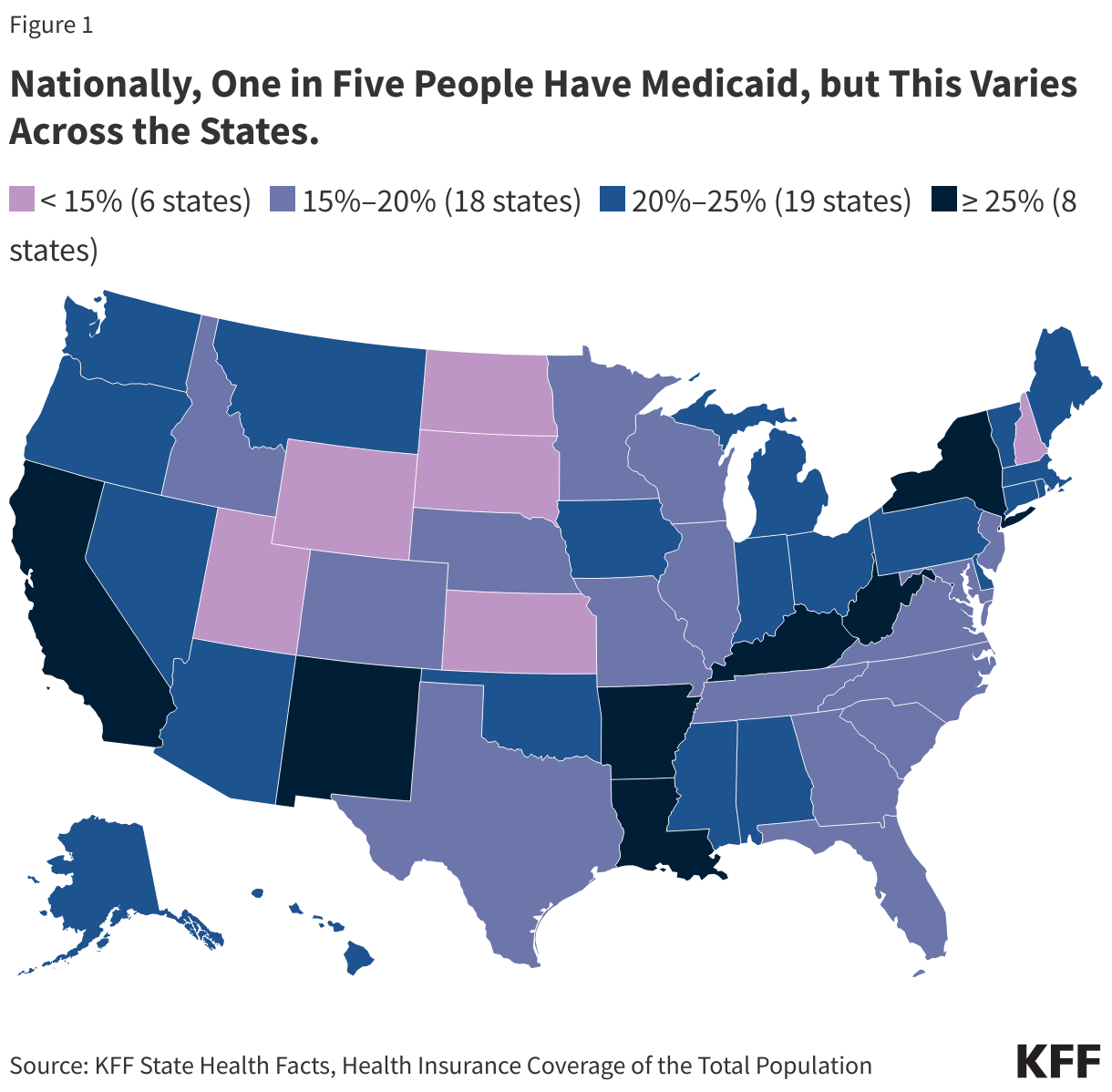
GuardMint's fraud detection engine leverages real-time patient demographics, location data, and public insurance coverage patterns to estimate the likelihood that a patient is enrolled in Medicare or Medicaid.
By combining AI-driven analytics with authoritative CMS data, GuardMint provides proactive alerts when a claim appears inconsistent with known Medicare/Medicaid patterns — before the claim is submitted.